


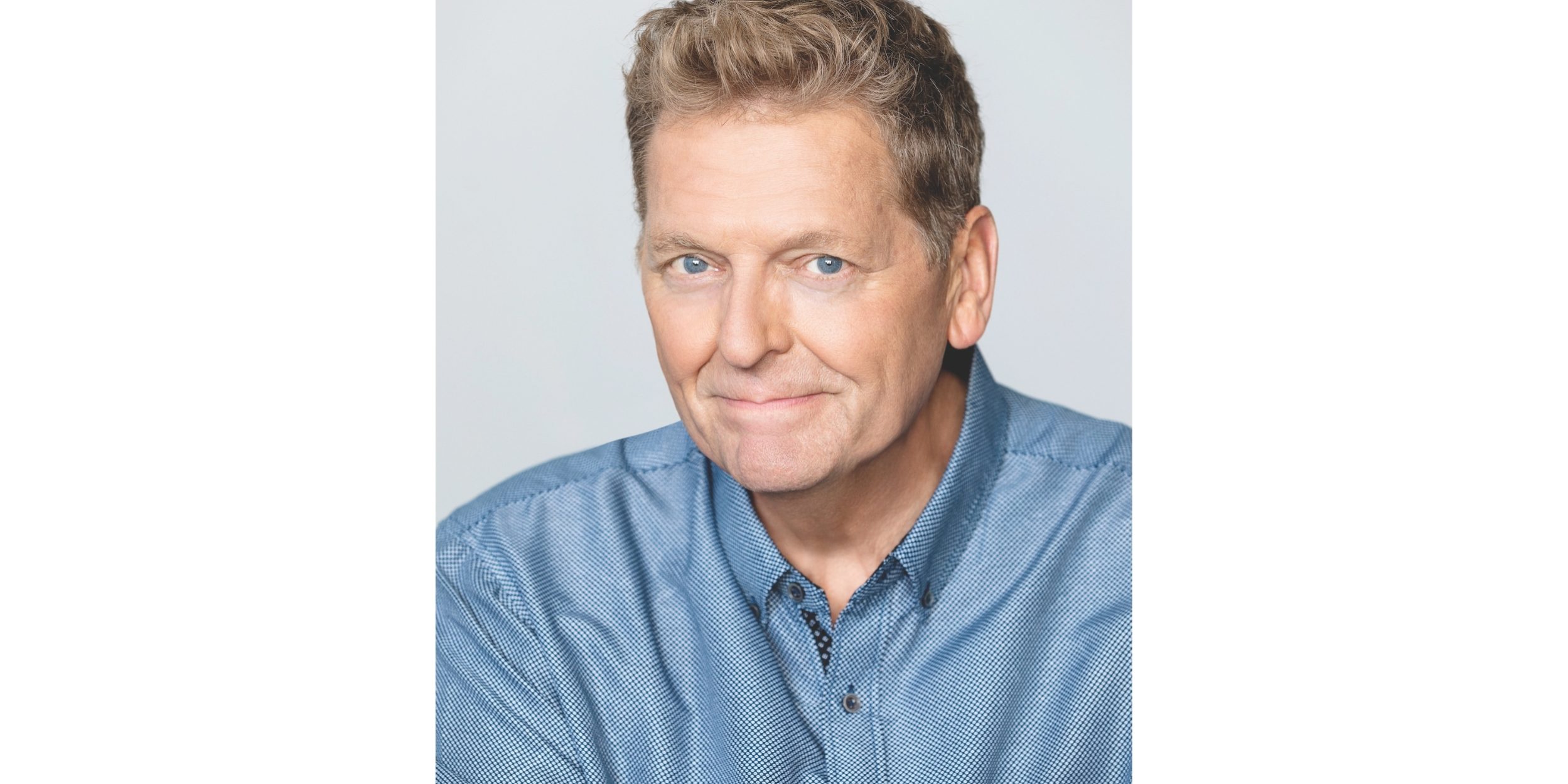
The components of a long and healthy life are multiple, and they can often be measured or studied. But one ingredient that gives life flavour and is difficult to quantify is meaning. Can a life lived without intention be satisfying? Is it absolutely necessary to emerge stronger from the trials that life places in our path? Has the erasure of the Catholic religion left us without any point of reference to make sense of life’s dramas? Alain Crevier, a renowned journalist and host, known for the Second regard program on Radio-Canada, and also the author of Être : Nos quêtes de sens et de liberté, shares with us his thoughts on the search for meaning and—above all—on our humanity.
Hello, Mr. Crevier. In 24 years at the head of Second Regard, do you feel that you have covered the question of meaning?
“Not at all! We’ve only opened some doors! When I arrived in 1995, the show was interested in religions (plural). Then, we said we were interested in religious phenomena. After that, out of a desire to modernize, we moved on to the search for meaning, whatever that meant. And that’s when Robert Lalonde [Note: a Quebec actor, novelist, and playwright] entered my life. In a discussion before an interview about his book Le seul instant, I said to him: ‘But Robert, surely you must be interested in the search for meaning!’ He replied to me: ‘Ah, no, Alain, I find that searching for meaning only leads to disappointment.’ His answer remained stuck in my head for months, because I suspected he was right. I started suggesting to my colleagues that they search for something other than meaning. That was when we began to take an interest in our humanity. At the end of the show, there were almost no religious subjects on the program anymore. Over these years, we’ve stuck, consciously or not, to Quebecers’ search for meaning, I believe.”
What do you think of this search?
“I think Robert Lalonde was right. Sometimes, I wonder if, centuries ago, we didn’t make a wrong turn somewhere, as if our human GPS had led us down a path where there are no answers. If we had focused our search on serenity, on our humanity, on what the best we had to offer was, then there might have been less violence between religions, first of all, and perhaps we would have been wiser.
“I’m sorry, but there are a lot of things that don’t make sense. My mother died of Alzheimer’s disease. She was a believer, a joyous believer, and she died not remembering who Jesus was or anything else. That doesn’t make sense; it’s just cells that went haywire and killed her memory. I knew a guy who was in a car accident, a head-on collision with a truck, he lost his girlfriend, and he’s in a thousand pieces: that doesn’t make sense. Losing a child in an accident or due to illness; it just makes no sense. So, I don’t look for the meaning of that. And the problem with searching for meaning is that we end up finding one. We invent one in the end that winds up reassuring us, but which falsely reassures us. In my opinion, meaning isn’t transcendent, it doesn’t come from above, isn’t imposed on us. On the contrary, we as human beings can make sense of our ordeals, make something out of them; yes, I believe it.”
So, you don’t believe that everything has a meaning, that “everything happens for a reason”?
“No. There are some things that happen for no reason. I don’t think anyone, anywhere, gives an inherent meaning to the things that happen to me. I don’t like the idea that someone I’ll never see is making me suffer. When I was young, that was what religion was. ‘Why am I suffering?’ ‘Jesus is testing you.’ ‘Why is my mother dying?’ ‘God is bringing her back to him.’ ‘Yes, but what if she went to hell?’ ‘Ah well, I wouldn’t think that way, because God forgives all.’ All that came from somewhere else, somewhere unnameable, and justified everything. It doesn’t work, because I see men acting in the name of these same principles, and it gets gleefully massacred.”
Does it make us unaccountable when we believe it’s what God wants?
“It took me years to start asking that question. If we accept the idea that not everything necessarily has a meaning, it means that we have to take responsibility for it and find one. Science is our ally in this process. It allows us to take responsibility in the face of dramas, human tragedy, and others.
“When I hear this need to tell ourselves that after death, there’s something else, I ask myself, ‘and what if there were nothing?’ This idea soothes me, because I don’t have to live my life based on something which, in my opinion, doesn’t exist.”
Yet I know many people who are very anxious about the idea of there being nothing after death!
“That’s because they’re thinking about ‘I!’ They ask themselves, ‘what will happen to my mind?’ I answer them: ‘The life of your mind will stop when your cells stop.’ And they: ‘But what will that have served?’ And my response: ‘Others.’ The most important part of the equation, I think, is ‘we.’ So, we are eternal, we have something to do, we will have a long life, if we don’t act like idiots.
“Today, people who want to find meaning in their lives are taking open, informed, rigorous steps, and I think that at a time when religion was more present, that wasn’t done. The answers were in religious texts, but they were unsatisfactory. There was cruelty, wickedness, injustice in it. People today are looking elsewhere and building their own ideas of what life is.”
Has the disappearance of religion left us with a certain emptiness, in terms of rules, moral righteousness, and meaning, too?
“I don’t agree with the emptiness part. I’ve already spoken with people from the Church whom I like who told me that we’ve lost our bearings, our values. And I told them, ‘But it’s not true!’ I have the same values as before, and I think values preceded the very idea of religion. We loved our neighbours before the Catholic, Muslim, or Jewish narrative came along. I think people have values, and I don’t think that today is a worse time than my father’s or mine.
“I’m part of the generation that filled churches to the rafters, only to desert them and never return. We thought we had settled the matter, and that we were free. But the big questions came back, and they came back more intensely than before, because we no longer had the instruction manual to guide us: the missal. That left us to our own devices to find the answers to life’s tragedies, but it also allowed us to question what didn’t make sense in our eyes, in order to shape a society that more closely resembled us. Medical assistance in dying is one of these achievements. We could no longer tolerate the idea of forcing people to live in agony, so we made things change. And it’s for the better.”
Any final words?
“Pay attention to the echoes of our humanity. Even though our era seems to be filled with horrible people and things, there are good people around you, there’s beauty everywhere, and we have to believe in that. We owe it to our children.”


